
Japanese serving bowls ceramic transcend mere tableware; they are vessels steeped in centuries of cultural refinement. From the meticulous craftsmanship to the profound aesthetic considerations, these bowls tell a story of artistry and tradition. This exploration delves into the intricate world of Japanese ceramic serving bowls, examining their design elements, historical context, and practical applications.
The beauty of these bowls lies not only in their visual appeal but also in their ability to enhance the dining experience. Understanding the different types of ceramic, the significance of traditional designs, and the proper care and maintenance ensures a deeper appreciation for these exquisite pieces.
Overview of Japanese Serving Bowls

Japanese serving bowls, integral to the nation’s culinary and aesthetic traditions, transcend mere functional objects. Their design reflects a deep-seated appreciation for aesthetics, craftsmanship, and the harmonious integration of form and function. These vessels, often meticulously crafted from ceramics, are not simply containers; they are extensions of the cultural narrative, conveying a sense of elegance and sophistication.Japanese serving bowls are not merely utilitarian; they are imbued with symbolic meaning.
The materials, shapes, and designs evoke specific cultural and historical contexts. The careful selection of materials, the meticulous attention to detail in the crafting process, and the conscious incorporation of symbolic imagery contribute to the bowls’ profound cultural significance.
Aesthetics and Cultural Influences
Japanese aesthetics, deeply rooted in Zen Buddhism and the concept ofwabi-sabi*, emphasize simplicity, natural beauty, and the appreciation of impermanence. These principles are profoundly reflected in the design of serving bowls. The bowls often feature understated elegance, smooth surfaces, and a harmonious relationship with the surrounding environment. Natural forms and muted color palettes are common, creating a sense of tranquility and connection to nature.
The choice of colors, patterns, and motifs often holds cultural significance, echoing themes of seasons, nature, and daily life.
Materials Used in Crafting
Ceramics, particularly stoneware and porcelain, are the most prevalent materials used in crafting Japanese serving bowls. Stoneware, with its characteristic strength and durability, is a traditional choice, often preferred for its ability to withstand the rigors of daily use. Porcelain, known for its refined aesthetic qualities and delicate glaze, is used for more ornate and decorative pieces. The selection of clay, the firing process, and the application of glazes all contribute to the unique characteristics of each bowl.
The quality of the clay, the technique of shaping, and the precise application of glazes determine the bowl’s texture, appearance, and durability.
Historical Context and Evolution
The history of Japanese serving bowls stretches back centuries, reflecting the evolution of artistic styles and cultural values. Early examples often displayed influences from Chinese pottery, while later periods saw the development of distinct Japanese techniques and motifs. The Edo period (1603-1868) witnessed a flourishing of ceramic arts, with artisans refining techniques and exploring innovative designs. This period saw the rise of various schools of pottery, each contributing unique characteristics to the artistic landscape.
Over time, the evolution of Japanese serving bowls mirrored the broader cultural shifts and artistic trends of the nation.
Shapes and Sizes
Japanese serving bowls encompass a wide array of shapes and sizes, catering to diverse culinary needs and aesthetic preferences.
- Round bowls, often shallow, are ideal for serving soups or rice dishes.
- Rectangular or square bowls, more substantial in design, are well-suited for larger portions.
- Deep bowls are frequently employed for serving noodles or other dishes requiring a more contained presentation.
- Bowls with intricate carvings or patterns are typically used for more elaborate presentations.
The choice of shape and size is intrinsically linked to the dish being served, reflecting the importance of balance and visual harmony.
Traditional Designs
Traditional Japanese serving bowls feature a wide range of designs, each carrying its own symbolic meaning and cultural significance.
- Sumi-e, or ink painting, is a popular motif, evoking images of nature or landscapes.
- Nishiki-e, or polychrome woodblock prints, also frequently inspire designs.
- Arita ware, with its distinctive cobalt blue glaze, exemplifies the elegance and sophistication of traditional Japanese ceramics.
- Kutani ware, with its colorful and intricate designs, stands out for its decorative appeal.
These designs, often intricate and visually captivating, add a layer of artistic expression to the practical function of the bowl.
Types of Ceramic
Japanese serving bowls, prized for their aesthetic appeal and functional qualities, are often crafted from various ceramic types. The choice of material significantly impacts the bowl’s texture, durability, and visual character. Understanding these distinctions is key to appreciating the nuances of Japanese ceramic artistry.The selection of ceramic for a serving bowl is guided by a combination of aesthetic considerations, practical requirements, and the specific qualities sought by the artisan.
Factors like firing temperature, glaze application, and the desired final appearance influence the choice of raw materials.
Ceramic Composition and Properties
Different ceramic compositions result in varying properties, affecting both the appearance and the longevity of the serving bowl. A range of clay types, from earthenware to porcelain, are employed, each exhibiting unique characteristics.
- Earthenware, often composed of readily available clay, is known for its affordability and rustic appeal. Its porous nature requires glazing to prevent water absorption, making it suitable for everyday use. Earthenware’s lower firing temperature results in a less refined, often slightly rougher, surface compared to porcelain. Examples include bowls with a warm, earthy tone, suitable for serving rustic dishes like miso soup or stews.
- Stoneware, a more refined ceramic than earthenware, is characterized by its durability and ability to withstand temperature fluctuations. Its denser structure allows for a wider range of glaze applications and firing temperatures, giving it a wider range of color and texture options. Stoneware is a good choice for bowls used in both formal and informal settings. Its strength makes it resistant to chipping and cracking.
- Porcelain, renowned for its translucency and fine texture, is often favored for its elegant aesthetic and delicate feel. The high firing temperature and specific clay composition create a smooth, glossy surface. Porcelain’s inherent strength makes it suitable for intricate designs and delicate patterns, making it ideal for serving dishes that require a premium look.
Glaze Applications and Their Effects
Glazes are essential for protecting the ceramic and enhancing its aesthetic qualities. They form a protective layer, impacting both the bowl’s appearance and its practical use.
- Glazes come in a wide array of colors and textures, influencing the visual appeal of the serving bowl. The glaze’s thickness and application method directly impact the final appearance. Thin glazes create a delicate, translucent effect, while thick glazes produce a more opaque, robust finish. The interplay of glaze and clay creates unique visual effects.
- The choice of glaze significantly affects the bowl’s resistance to staining and water absorption. High-quality glazes create a barrier, minimizing water absorption and preventing discoloration. This is crucial for maintaining the aesthetic appeal of the bowl and its longevity.
Firing Process and its Influence
The firing process is critical in determining the final characteristics of the ceramic serving bowl. The temperature and duration of the firing process directly impact the ceramic’s strength, hardness, and visual properties.
- High firing temperatures are often used for porcelain and stoneware, resulting in a more durable and refined product. Lower firing temperatures are typical for earthenware, creating a more rustic aesthetic. The firing process also contributes to the final color and texture of the glaze.
- Different firing techniques, such as oxidation or reduction, can significantly alter the appearance and properties of the finished ceramic. Oxidation firing results in a more vibrant and bright glaze, while reduction firing often produces a more muted and earthy effect.
High-Quality Japanese Ceramics
High-quality Japanese ceramics used for serving bowls are renowned for their meticulous craftsmanship and attention to detail.
- The selection of clay, the application of glaze, and the firing process are all carefully controlled to achieve the desired aesthetic and functional qualities. These elements contribute to the creation of durable and beautiful pieces.
- The specific characteristics of high-quality Japanese ceramics include a high level of refinement, exceptional durability, and a unique aesthetic sensibility. These characteristics are achieved through generations of experience and a commitment to excellence in craft.
Design Elements

Japanese serving bowls, beyond their practical function, embody a profound aesthetic sensibility. Their design, often minimalist yet deeply symbolic, reflects centuries of cultural refinement and artistic mastery. The careful consideration of symmetry, balance, and traditional motifs imbues these vessels with a timeless elegance.The harmonious interplay of form and function is a cornerstone of Japanese aesthetic philosophy. This is evident in the deliberate design choices employed in crafting serving bowls, meticulously considering the balance between the bowl’s structural integrity and its visual appeal.
Each element, from the subtle curves to the nuanced textures, contributes to the overall aesthetic impact.
Symmetry and Balance
The pursuit of perfect symmetry and balance is a hallmark of Japanese aesthetics. In serving bowls, this translates to a visual harmony that creates a sense of serenity and order. The careful positioning of elements, whether it’s a subtle curve or a precisely placed handle, underscores this commitment to equilibrium. This principle extends beyond mere visual appeal, reflecting a deeper understanding of the universe’s inherent balance.
Minimalist Aesthetics
Minimalism is a defining characteristic of Japanese ceramic design. The emphasis on simplicity and understated elegance avoids superfluous ornamentation. This approach focuses on the inherent beauty of the material itself, highlighting its natural textures and subtle variations in color. The absence of clutter allows the viewer to appreciate the form and substance of the bowl, rather than being distracted by elaborate decorations.
This often leads to a greater appreciation of the vessel’s functionality and intrinsic value.
Traditional Japanese Patterns and Motifs
Traditional Japanese patterns and motifs often adorn serving bowls, adding layers of cultural significance. These patterns, frequently inspired by nature, such as bamboo, waves, or blossoming flowers, are more than mere decorations. They evoke a deep connection to the natural world and express a reverence for tradition. The choice of motif communicates a specific message or intention, further enhancing the bowl’s cultural significance.
For example, the use of a blossoming cherry blossom motif might symbolize the fleeting beauty of spring.
Examples of Different Design Styles
Japanese serving bowls showcase a rich diversity of design styles. The Raku style, known for its distinctive, often imperfect glazes and textures, emphasizes the natural beauty of the clay. Arita ware, originating from the Arita region, is renowned for its vibrant colors and intricate patterns. Other styles, like Kutani, are known for their elaborate polychrome designs, often featuring scenes from Japanese folklore or history.
Color and Texture
Color and texture play a significant role in enhancing the aesthetic appeal of Japanese serving bowls. Natural earth tones, like browns, creams, and greys, are frequently used, reflecting a connection to the earth and a respect for natural materials. The use of contrasting colors, when present, is carefully considered to create a harmonious balance. The texture of the glaze or the raw clay itself adds a tactile dimension to the vessel, further engaging the senses.
For instance, the subtle crackle of a Raku glaze adds depth and complexity to the piece.
Practical Applications
Japanese ceramic serving bowls, beyond their aesthetic appeal, are deeply ingrained in the practical aspects of dining and cultural expression. Their diverse shapes, sizes, and materials cater to a wide range of culinary needs and social contexts. From casual meals to formal ceremonies, these bowls play a crucial role in both the preparation and presentation of food.
Food Pairing Considerations
The selection of a Japanese serving bowl often hinges on the food it will contain. The bowl’s form and material directly influence the presentation and appreciation of the dish. A bowl designed for delicate sushi, for instance, will differ significantly from one intended for hearty ramen. Matching the vessel to the food ensures optimal presentation and enhances the overall dining experience.
| Food Type | Ideal Bowl Characteristics |
|---|---|
| Sushi | Small, shallow bowls, often with a slightly curved shape to cradle the delicate pieces. The bowl’s material (e.g., porcelain) should be non-porous to prevent the absorption of moisture, maintaining the freshness of the fish. |
| Ramen | Deep, wide bowls with a substantial rim. The material (e.g., stoneware) might be more durable to withstand the heat of the broth and noodles. |
| Rice Dishes (e.g., Donburi, Japanese Curry) | Medium-sized bowls, typically with a rounded or slightly tapered shape. Porcelain or stoneware are common choices. |
| Sashimi | Shallow, rectangular or oval bowls to present the raw fish slices aesthetically. The bowl should be non-porous to maintain the freshness. |
| Steamed Vegetables | Medium-sized, round bowls, allowing for easy access to the steamed vegetables. Porcelain or stoneware are suitable. |
Choosing the Right Bowl
Selecting the appropriate bowl depends on several factors beyond the food’s type. Consider the occasion. A casual dinner with friends might call for a more informal, perhaps slightly less elaborate bowl. A formal dinner party, on the other hand, would likely benefit from a more ornate and refined piece. The intended presentation also matters.
Some dishes, like beautifully arranged sushi platters, might benefit from a bowl that complements the aesthetic rather than overshadows it.
Dining Settings and Bowl Usage
Japanese serving bowls are versatile in various dining settings. From casual home meals to elaborate restaurant settings, the selection of bowls reflects the ambiance and the occasion. In casual settings, a simple, functional bowl might suffice, while a more elaborate bowl is appropriate for special occasions. Consider the restaurant’s overall theme; a contemporary sushi restaurant, for example, might utilize minimalist bowls to maintain the restaurant’s aesthetic.
Aesthetic Presentation and Bowls
The use of Japanese serving bowls is intrinsically linked to the presentation of food. Their shape, size, and color play a significant role in enhancing the visual appeal of the dish. A carefully chosen bowl can elevate a simple meal into a culinary experience. The balance between the bowl’s aesthetic and the food’s presentation is key to creating a visually appealing and enjoyable dining experience.
For example, a bowl designed with intricate patterns or a unique glaze can add visual interest to a simple dish.
Cultural and Ceremonial Contexts
Japanese serving bowls play a vital role in specific cultural or ceremonial contexts. In tea ceremonies, for example, the shape and size of the bowl are carefully considered, emphasizing both the practical and aesthetic elements. The bowl’s design and material are often symbolic, reflecting the specific ritual’s significance. The bowl serves not only to hold the food but also to communicate a deeper meaning.
This concept extends to other formal occasions like weddings or celebrations.
Modern Interpretations
Japanese ceramic serving bowls, steeped in centuries of tradition, are undergoing a fascinating evolution. Contemporary artisans are reimagining these vessels, drawing inspiration from the past while pushing boundaries with innovative techniques and materials. This shift reflects a broader trend in design, where the heritage of a craft is interwoven with modern sensibilities.Modern interpretations of these bowls often explore a wider spectrum of aesthetic choices than traditional pieces, incorporating elements of minimalism, asymmetry, and a playful use of color.
The shift reflects a consumer demand for more personalized and expressive homeware, alongside a desire for unique, contemporary designs.
Examples of Modern Interpretations
Contemporary designers are embracing a broader palette of colors and glazes, moving beyond the traditional earthy tones. Pieces with vibrant blues, bold reds, or even metallic accents are becoming increasingly popular, adding a touch of personality to dining spaces. Geometric shapes, previously less common in traditional designs, are gaining prominence, with artisans incorporating clean lines and abstract patterns.
Trends and Innovations in Design
A notable trend is the integration of new materials into the production process. The use of high-fired porcelain, known for its durability and refined aesthetic, is becoming more prevalent, alongside innovative glazes that add depth and dimension to the bowls. Artisans are also experimenting with translucent ceramics, allowing light to interact with the bowl’s form in interesting ways.
The use of recycled materials, or materials sourced from sustainable practices, is another growing trend.
Comparison with Traditional Designs
While modern interpretations build upon the foundational principles of traditional Japanese ceramic serving bowls, they often differ in their aesthetic approach. Modern designs might prioritize unconventional shapes or incorporate contemporary motifs. Traditional designs typically focus on simplicity and understated elegance, emphasizing the natural beauty of the clay. Modern interpretations, while honoring the craft’s heritage, lean toward a more personalized and experimental aesthetic.
Contemporary Materials and Techniques
Contemporary artisans are employing advanced techniques to enhance the quality and visual appeal of their pieces. For example, intricate surface designs, achieved through carved patterns or unique glaze applications, are becoming increasingly common. The use of high-temperature kilns allows for the creation of more intricate forms and detailed decorations, often reflecting the influences of other art forms. Contemporary techniques also explore the interplay of light and shadow in the ceramic, highlighting the subtle nuances of the material.
Evolution in Response to Consumer Preferences
The evolution of Japanese serving bowls reflects a shift in consumer preferences. Consumers are increasingly seeking unique, handcrafted pieces that reflect their personal style and connect them to a rich cultural heritage. Modern interpretations of these bowls offer a balance between tradition and innovation, appealing to those who appreciate the artistry of Japanese ceramics while also seeking pieces that feel fresh and contemporary.
The growing emphasis on sustainability and ethical production practices is also driving innovation in the materials and techniques used to create these vessels.
Cultural Significance
Japanese serving bowls transcend mere functional objects; they embody a deep cultural significance, interwoven with aesthetics, etiquette, and the broader societal fabric. Their presence in Japanese homes and ceremonies reflects a profound appreciation for craftsmanship, the beauty of simplicity, and the inherent value of tradition. These vessels, from the most understated to the intricately designed, are imbued with symbolic meaning, reflecting the values and philosophy that underpin Japanese culture.Japanese serving bowls play a critical role in the nation’s dining etiquette and customs.
Their use isn’t simply about practicality; it’s a nuanced expression of respect, consideration, and the harmony of social interaction. The appropriate selection and presentation of a serving bowl reflect the host’s intention to honor the guest and create a welcoming atmosphere.
Role in Japanese Etiquette and Dining Customs
Serving bowls are integral to Japanese dining, dictating not only how food is presented but also how it’s perceived. The choice of bowl, its shape, and its design often subtly communicate the nature of the meal, whether a casual gathering or a formal celebration. Different types of bowls are employed for specific dishes and occasions, emphasizing the meticulousness and attention to detail inherent in Japanese etiquette.
For instance, a shallow bowl might be used for delicate appetizers, while a deeper one might be reserved for soups or stews, conveying a subtle yet crucial message about the nature of the food being served.
Symbolic Meaning of Design Elements
The design elements of Japanese serving bowls are often deeply symbolic, reflecting broader cultural values. The use of natural motifs, such as bamboo, cherry blossoms, or waves, often carries metaphorical weight, evoking notions of nature, beauty, and transience. The choice of color can also hold symbolic meaning, with certain colors associated with specific emotions or concepts. For example, the elegant simplicity of a white ceramic bowl might symbolize purity and serenity.
Connection to Japanese Aesthetics
Japanese serving bowls are intrinsically linked to the broader Japanese aesthetic of “侘び寂び” (wabi-sabi), which embraces the beauty of imperfection, transience, and natural asymmetry. This aesthetic is often reflected in the subtle variations in glaze, the organic shapes, and the muted color palettes of traditional serving bowls. The aesthetic conveys a profound understanding of the natural world and its inherent beauty, rather than the pursuit of flawless perfection.
The bowls are not meant to be ostentatious but instead offer a serene and mindful experience.
Traditional Uses in Japanese Ceremonies and Events
| Ceremony/Event | Typical Serving Bowl Use |
|---|---|
| Tea Ceremonies (Chanoyu) | Small, meticulously crafted bowls are used for serving matcha tea and accompanying sweets. The bowl’s shape and design contribute to the overall aesthetic experience. |
| Osechi Ryori (New Year’s Feast) | Special, often lacquered or elaborately decorated bowls are used to present carefully prepared dishes, reflecting the importance of the occasion and the culinary artistry involved. |
| Shinto Festivals | Serving bowls, sometimes decorated with seasonal motifs, are used for offering food and drinks to the deities. This practice emphasizes respect and reverence. |
| Japanese Weddings | Elegant serving bowls are used to present the wedding feast, reflecting the auspicious nature of the occasion and the celebration of the union. |
Care and Maintenance
Preserving the beauty and longevity of Japanese ceramic serving bowls hinges on meticulous care. Proper cleaning and handling techniques, tailored to the specific type of ceramic and glaze, are crucial to avoid damage and maintain their aesthetic appeal. Ignoring these details can lead to scratches, discoloration, or even irreparable breakage, diminishing the inherent value of these handcrafted pieces.Understanding the unique characteristics of each ceramic type is paramount to effective maintenance.
Different firing techniques and glaze applications impact the bowl’s susceptibility to certain cleaning agents. By adhering to specific guidelines, owners can ensure their serving bowls remain in pristine condition for generations.
Cleaning Methods for Various Glazes
Proper cleaning prevents damage and maintains the visual appeal of Japanese ceramic serving bowls. Different glazes react differently to cleaning agents, so understanding these variations is essential for preservation.
| Glaze Type | Cleaning Method | Additional Considerations |
|---|---|---|
| Glazed Porcelain | Use warm, soapy water with a soft sponge or cloth. Avoid abrasive cleaners or scouring pads. | Rinse thoroughly and dry immediately to prevent water spots. |
| Unglazed Earthenware | Hand wash with mild dish soap and warm water. Rinse thoroughly and dry immediately. Avoid soaking. | Avoid using harsh chemicals or abrasive cleaners. |
| Raku Ware | Hand wash with warm water and a mild detergent. Avoid soaking. | Raku ware’s unique texture can be damaged by excessive scrubbing or harsh chemicals. Gentle handling is key. |
| Stoneware | Hand wash with warm water and a mild detergent. Rinse thoroughly and dry immediately. | Stoneware is generally more resistant to damage but should still be handled with care. |
| Lead-glazed (Historic) | Use a soft sponge and warm, soapy water. Avoid prolonged soaking or harsh chemicals. | Carefully inspect for any signs of damage or discoloration. Consult with a professional if needed. |
Handling and Storage
Proper handling and storage are critical for preventing damage to Japanese ceramic serving bowls. These techniques ensure the bowls remain in excellent condition, maintaining their aesthetic value.
- Handling: Always handle bowls with clean hands and use a soft cloth or tongs for picking up and moving them. Avoid dropping or placing them on hard surfaces. When setting them down, use a placemat or soft surface to protect the delicate glaze.
- Storage: Store bowls individually in a cool, dry place, away from direct sunlight and extreme temperature fluctuations. Use protective coverings, such as tissue paper or felt pads, to prevent scratches or chipping during storage.
- Avoid: Avoid stacking bowls, which can cause irreparable damage. Ensure that storage locations are stable and prevent the bowls from sliding or tipping over.
Identifying and Addressing Potential Problems
Regular inspection can help identify and resolve potential issues before they worsen. Prompt action can save the bowls from significant damage.
- Cracks and Chips: Promptly address any cracks or chips by carefully repairing them using appropriate ceramic repair techniques or consulting a qualified artisan. Ignoring these issues can lead to further damage.
- Discoloration: Discoloration can result from exposure to chemicals, heat, or prolonged exposure to water. Use the appropriate cleaning methods for the type of glaze and consult a professional if the issue persists.
- Glaze Problems: Flaking or bubbling glaze can indicate underlying issues with the firing process. Addressing this problem often requires professional intervention.
Comparison with Other Styles
Japanese serving bowls, meticulously crafted from ceramic, stand apart from their counterparts in other cultures due to a unique blend of aesthetic sensibilities, materials, and practical applications. Their understated elegance and functional design often prioritize harmony with the surrounding environment and the act of sharing a meal. This contrasts sharply with the often more ostentatious or overtly decorative approaches found in other culinary traditions.Beyond their aesthetic distinctions, the nuanced approach to practical application sets Japanese serving bowls apart.
The focus on understated beauty and the integration of functionality are key elements that define this particular style. The bowls are not merely containers but integral parts of the dining experience, reflecting a philosophy that prioritizes the presentation and enjoyment of food.
Aesthetic Differences
Japanese ceramic serving bowls often feature clean lines, minimalist forms, and a restrained palette of colors, typically earth tones. This contrasts with the often more ornate or flamboyant designs found in some European or South American serving bowls. The subtle use of glaze and the emphasis on natural materials, like clay, contribute to a unique aesthetic that is both refined and understated.
Examples include the use of matte glazes, subtle patterns inspired by nature, and the intentional highlighting of the raw clay texture in some pieces. These choices contribute to a serene and harmonious atmosphere conducive to the dining experience.
Material Variations
While stoneware and porcelain are common in Japanese serving bowls, other materials, such as stoneware, are frequently employed. The choice of material often dictates the bowl’s weight, texture, and overall aesthetic. The selection of a particular material is frequently guided by its ability to complement the overall design, emphasizing the natural beauty of the ceramic. This contrasts with other cultures, where serving bowls might be constructed from metals, glass, or even wood, depending on the intended use or cultural preference.
The inherent properties of the material, such as its ability to retain heat or enhance the presentation of food, play a crucial role in the overall design.
Practical Applications
The practical applications of Japanese serving bowls often revolve around the concept of “sharing.” Their design frequently facilitates communal dining, promoting a sense of togetherness. This is in contrast to serving bowls in other cultures, which may be designed for individual portions or formal presentations. Japanese serving bowls often incorporate features that encourage easy sharing, such as slightly wider bases for stability and a comfortable grip for guests.
A Comparative Analysis of Japanese and Korean Serving Bowls
| Characteristic | Japanese Serving Bowls | Korean Serving Bowls |
|---|---|---|
| Aesthetics | Often minimalist, featuring clean lines, natural colors, and subtle patterns. | May exhibit a wider range of aesthetics, including geometric patterns, bold colors, and more elaborate designs. |
| Materials | Primarily stoneware and porcelain, sometimes incorporating natural materials like clay. | Frequently made of stoneware, porcelain, or even glazed earthenware, with a focus on practical applications. |
| Practical Applications | Designed to encourage communal dining and sharing. | Can be designed for individual portions, but also incorporate communal dining aspects. |
| Cultural Significance | Rooted in the concept of harmony and balance, reflecting a respect for nature and simplicity. | Rooted in a rich history of tradition, often incorporating cultural motifs and symbolism. |
This table highlights the key differences in aesthetics, materials, and practical applications between Japanese and Korean ceramic serving bowls. The differences reflect the unique cultural values and traditions that inform the design and use of these essential dining tools.
Image Descriptions
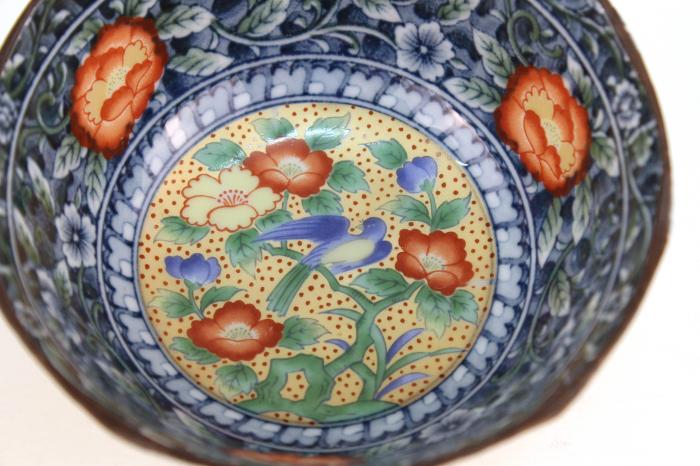
Japanese ceramic serving bowls, a testament to centuries of craftsmanship, offer a captivating array of shapes, sizes, colors, and glazes. Their visual appeal transcends mere utility, often embodying artistic expression and cultural significance. Understanding these aesthetic and technical aspects provides a deeper appreciation for the artistry and historical context behind each piece.
Shape and Size Variations
The shapes of Japanese ceramic serving bowls demonstrate a remarkable range, from the simple elegance of a shallow dish to the intricate curves of a sculpted vessel. Form follows function, with bowl shapes carefully considered for their suitability in holding and presenting various dishes. Sizes also vary considerably, catering to the specific needs of different culinary practices and serving contexts.
Small, individual bowls might accompany delicate snacks, while larger platters are designed for sharing substantial dishes.
Color and Glaze Palette
The color palette of Japanese ceramic serving bowls reflects the natural world and the aesthetic sensibilities of different periods. From earthy tones of ochre and brown, reminiscent of natural clays, to vibrant hues of cobalt blue and deep reds, inspired by pigments and glazes, the choices of color evoke a wide spectrum of emotions and associations. Glazes, applied in various techniques, further enhance the visual appeal, adding layers of depth and luster to the ceramic surfaces.
Crafting Techniques
Traditional Japanese ceramic serving bowls are often crafted using techniques passed down through generations. Hand-building, where the clay is meticulously shaped by hand, is a common approach, allowing for intricate details and unique forms. Wheel-throwing, employing a potter’s wheel, facilitates the creation of symmetrical and precise shapes, frequently used for functional pieces. These techniques, combined with the choice of clay and firing methods, influence the final characteristics of the bowl.
Materials and Their Influence
The materials used in crafting Japanese ceramic serving bowls significantly impact their texture, durability, and aesthetic qualities. Various types of clay, each with its unique properties, are used to create the vessels. High-fire clays, known for their strength and durability, are often preferred for serving bowls destined for everyday use. Low-fire clays, offering a more porous texture, may be employed for specific aesthetic effects.
The selection of materials contributes to the bowl’s overall character.
Example Bowls and Descriptions
| Image | Description |
|---|---|
| A shallow, round bowl with a slightly tapered rim, crafted from a light-gray stoneware. The glaze is a translucent, ivory white, showcasing the intricate surface texture of the clay. | This bowl, perhaps from the Edo period, embodies simplicity and elegance. Its understated aesthetic and refined craftsmanship make it ideal for serving delicate appetizers or small dishes. The light gray stoneware, with its subtle grain, provides a neutral backdrop for the food. |
| A tall, cylindrical bowl with a slightly flared lip, featuring a deep cobalt blue glaze. | This bowl, possibly from the Meiji period, is characterized by its bold, vibrant color and elegant form. The cobalt blue glaze, applied with a meticulous technique, is a testament to the mastery of the potter. The height and shape of the bowl are suitable for holding and displaying a variety of dishes. |
| A large, shallow platter with a carved design on the exterior. The body is a rich, reddish-brown earthenware, with a matte finish. | This platter likely dates from the early 20th century. The carved design, possibly depicting floral motifs or abstract patterns, adds an artistic element to the practical function of the platter. The reddish-brown earthenware, with its warm tones, is ideal for serving larger dishes, such as roasted vegetables or grilled meats. |
Historical Context of Production
Japanese ceramic serving bowls, imbued with aesthetic and cultural significance, have evolved through centuries of artistry and craftsmanship. Their development reflects not only the technical advancements of the potters but also the changing societal values and aesthetic sensibilities of Japan. This rich history reveals a deep connection between the craft, the artist, and the cultural context.The evolution of these bowls is intricately linked to the nation’s history, demonstrating the adaptability and creativity of Japanese artisans in responding to evolving demands and influences.
From ancient traditions to modern interpretations, the ceramic serving bowl showcases the dynamism of Japanese design.
Timeline of Production
The history of Japanese ceramic serving bowls spans millennia, beginning with rudimentary earthenware forms. Early examples, predating the sophistication of later periods, offer glimpses into the rudimentary techniques of the time. The subsequent development of kilns and glazing techniques, as well as the emergence of different ceramic types, mark significant milestones.
- Pre-Meiji Period (pre-1868): Early ceramic serving bowls, often utilitarian, reflect the simple needs of the time. Techniques were primarily focused on creating functional forms, with minimal decoration. Influence from Chinese pottery, through trade routes, was a driving force in shaping these early forms.
- Meiji Period (1868-1912): The Meiji Restoration ushered in a period of modernization and Westernization. This period saw a blending of traditional Japanese techniques with Western design elements. The demand for aesthetic beauty, along with a shift toward a more sophisticated lifestyle, led to more elaborate and decorated serving bowls.
- Taishō Period (1912-1926): The rise of a middle class and increased access to education and information spurred the development of unique design approaches. Artists began experimenting with new forms and glazing techniques. The influence of European art and design is discernible in the work of this period.
- Showa Period (1926-1989): This period saw the rise of mass production, impacting the design and availability of ceramic serving bowls. However, traditional workshops continued to produce handcrafted pieces, maintaining the quality and artistry of previous generations. The influence of modern design movements, both domestic and international, is evident in the experimentation with form and function.
- Heisei and Reiwa Periods (1989-present): Contemporary artists continue to innovate and reinterpret traditional techniques, incorporating contemporary design aesthetics. The availability of advanced materials and techniques has enabled the creation of unique and innovative designs.
Evolution of Techniques and Styles
The development of ceramic serving bowls mirrored the broader evolution of Japanese craftsmanship and aesthetics. The introduction of new glazing techniques and firing methods allowed for greater creativity in design and color. This, in turn, influenced the overall appearance and appeal of the finished product.
- Glazing Techniques: The mastery of glazing techniques allowed for a wider range of colors and effects. From the translucent glazes of the early periods to the vibrant and intricate patterns of later eras, the evolution of glazing directly impacted the aesthetics of serving bowls.
- Decoration Methods: The choice of decoration, from simple slip painting to intricate painted designs, changed over time, reflecting the prevailing aesthetic trends. The application of these decorations demonstrates the artistry and skill of the potters.
- Form and Function: The shape and functionality of the serving bowls were influenced by the changing needs and desires of the society. As lifestyles evolved, the forms adapted to accommodate new uses and preferences.
Significant Periods and Influences
Several periods stand out for their unique contributions to Japanese ceramic serving bowl design. The influence of other cultures, particularly China, played a significant role in the early development.
- Influence of Chinese Pottery: Early Japanese ceramic serving bowls often reflected the styles and techniques of Chinese pottery, particularly during the Tang and Song dynasties. The introduction of Chinese pottery through trade routes and cultural exchange significantly impacted the development of Japanese ceramics.
- Development of Japanese Styles: Gradually, Japanese potters began to develop their own distinctive styles, incorporating local materials and traditions into their work. The influence of Zen Buddhism, with its emphasis on simplicity and harmony, also played a crucial role in the design.
Role of Artists and Workshops
Specific artists and workshops played a critical role in shaping Japanese serving bowl traditions. Their contributions, often spanning generations, helped establish unique styles and techniques.
- Master Potters: The contributions of master potters, who passed down knowledge and techniques, are crucial to understanding the continuity of Japanese ceramic traditions. Their influence is seen in the consistent high quality and artistic merit of the bowls.
- Workshops and Studios: Workshops and studios served as vital hubs for the development and transmission of techniques. They fostered collaboration and innovation, ensuring the continuation of the tradition through successive generations of artisans.
Cultural Context
The development of Japanese ceramic serving bowls was deeply intertwined with the nation’s cultural values. From the emphasis on aesthetics to the role of craftsmanship, cultural values shaped the evolution of the bowls.
- Aesthetics and Harmony: The emphasis on aesthetics and harmony in Japanese culture directly influenced the design of serving bowls. Form and function were carefully balanced to create objects that were both beautiful and practical.
- Craftsmanship and Tradition: The importance of craftsmanship and tradition in Japanese culture is evident in the meticulous attention to detail in the creation of these bowls. The bowls serve as testaments to the value placed on skill and tradition.
Shopping and Purchasing
Navigating the world of Japanese ceramic serving bowls requires discerning eye and a keen understanding of the factors that contribute to their unique appeal and value. Beyond simple aesthetics, these vessels often embody a rich cultural heritage and intricate craftsmanship. This section delves into the key considerations for acquiring authentic and valuable pieces.High-quality Japanese ceramic serving bowls are more than just functional objects; they represent a delicate balance of artistry and utility.
Their purchase is an investment in a piece that can be enjoyed for generations, a statement reflecting both appreciation for craftsmanship and cultural heritage.
Factors to Consider When Purchasing
Japanese ceramic serving bowls, whether modern or antique, are investments that reflect more than just aesthetics. Careful consideration of several key factors is crucial to ensuring a satisfying and worthwhile acquisition. Quality materials, intricate design, and the potential for future appreciation are important elements to assess. A thorough understanding of the piece’s history, origin, and maker is equally crucial.
Craftsmanship and Quality
Authentic Japanese ceramic serving bowls showcase the meticulous craftsmanship of skilled artisans. Look for evidence of hand-building techniques, such as visible textures, subtle variations in glaze application, and the nuanced details of the design. Examine the overall finish for evenness and consistency, and assess the bowl’s structural integrity for signs of stress or damage. Quality materials like high-fired clay and carefully applied glazes are hallmarks of well-crafted pieces.
Authenticity
Determining the authenticity of a Japanese ceramic serving bowl involves a careful examination of its details. Seek out pieces with provenance, such as certificates of authenticity, maker’s marks, or historical records. Look for a distinct style or aesthetic consistent with the known works of specific potters or periods. The presence of kiln marks or other unique characteristics can also help in verifying authenticity.
Consulting with reputable experts in Japanese ceramics is recommended for expert opinions.
Price Ranges
Prices for Japanese ceramic serving bowls vary significantly depending on several factors, including the artist, period, materials, and condition. Budget-friendly options might feature contemporary designs or pieces from lesser-known potters, while more expensive pieces may be highly sought-after antiques or creations from renowned artisans. Expect a wide spectrum, ranging from a few hundred dollars for newer pieces to thousands or even tens of thousands of dollars for rare or exceptional vintage items.
Research the market value of similar pieces to establish a reasonable expectation.
Reputable Online Retailers
Purchasing Japanese ceramic serving bowls online presents both advantages and challenges. A meticulous selection process is critical. Reputable online retailers specializing in Japanese ceramics typically offer detailed descriptions, high-quality images, and verifiable provenance information. Trustworthiness can be assessed by researching retailer reviews, checking their return policies, and verifying their experience in the Japanese ceramic market.
- Etsy: A popular online marketplace featuring various handcrafted ceramics, potentially including some Japanese pieces. However, thorough research is needed to ensure authenticity and quality.
- Japanese Art Dealers (online and physical): Dealers specializing in Japanese art, including ceramics, often maintain online presence. They offer a high degree of expertise and authenticity.
- Auction Houses (online and physical): Auction sites offer exposure to a wide range of Japanese ceramics. However, bidders must understand the auction process and be prepared for potential bidding wars.
- Specialized Ceramic Galleries: Some galleries focus on Japanese ceramics and have an in-depth knowledge of the craft, enabling expert guidance in selection.
Wrap-Up
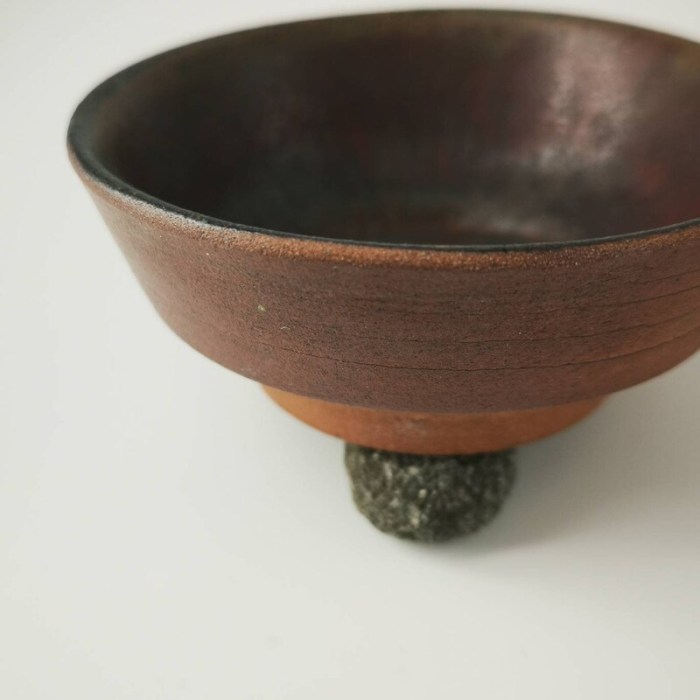
In conclusion, Japanese serving bowls ceramic are more than just containers; they are a reflection of a rich cultural heritage. Their intricate designs, carefully chosen materials, and thoughtful craftsmanship elevate the act of serving and dining. Whether appreciating their historical significance or their modern interpretations, these bowls continue to captivate and inspire.
